If you started pricing a new home in 2024, you probably had a federal tax credit or two built into your budget. By late 2026 those numbers are gone. Under the 2025 federal tax law, the homeowner credits for heat pumps and rooftop solar ended for spending after December 31, 2025. The builder credit for efficient new homes, known as 45L, only covers homes acquired by June 30, 2026. Meanwhile, Canada, Germany and Poland still run programs that reward efficient new houses, and they run them very differently. This checklist looks at what is left for you, what other countries do, and what their rules teach about planning a house that qualifies for whatever money is still available.
Stage 1: Find out what is still available where you build
- Utility programs. Many electric and gas utilities still offer new-construction incentives or per-unit rebates for heat pumps and heat pump water heaters. Check your provider's website before you choose equipment.
- State programs. Some states run their own rebates or green-building incentives. The federally funded home energy rebates that states administer mostly target existing homes and income-qualified households, so confirm whether new construction is eligible at all.
- Local perks. A few cities and counties reduce permit fees or speed up review for certified efficient homes. Ask the building department directly.
- Financing. Energy-efficient mortgage options, including the FHA version, can let you finance efficiency upgrades. Ask your lender early.
- Comparison point. In Canada, the national grant for existing homes closed to new applicants in 2024. What remains for new builds are mostly provincial and utility programs, which is very close to the U.S. situation.
Make one phone call to your utility and one to your state energy office before you commit to a plan. U.S. incentives now come from many small sources rather than one federal line on your tax return. A program that pays a few thousand dollars may close when its budget runs out, so a commitment letter is worth more than a web page.
Stage 2: Know which standard the house must meet
- United States. Utility and state programs often reference ENERGY STAR certification, DOE Zero Energy Ready Home, or a target HERS Index score verified by a third-party rater.
- Canada. Provincial and utility programs usually pay in tiers for beating the local energy code. An energy advisor models the house and confirms the result with a blower-door test.
- Germany. The KfW development bank offers low-interest loans for climate-friendly new homes. The house must reach the Efficiency House 40 level, roughly 40 percent of the energy demand of a reference building, and meet life-cycle emission limits. A separate program for families with children adds income limits on top of the same standard.
- Poland. The national heat pump program for new single-family homes pays part of the equipment cost, with a higher share for large families. It only pays if the house's calculated primary energy demand stays below a set limit.
The pattern is the same in every country: the money is tied to a measured result, not to a list of products. A heat pump in a leaky house earns nothing in Germany and little in most U.S. utility programs. Ask your drafter or energy rater to run the numbers on the plan before you buy upgrades.
Stage 3: Get the timing right
- Before groundbreaking. In Germany, the KfW loan has to be applied for through a bank before the project starts. Signing construction contracts too early can disqualify you.
- Before drywall. Canadian and many U.S. new-home programs require you to enroll and get a model done before construction, with inspections while the walls are still open.
- After installation. Poland's heat pump program reimburses after the system is installed, but the energy certificate still has to show the house meets the limit.
- Funding windows. Programs everywhere run in rounds and close when the budget is used up. Write down the deadline and the date you applied.
The German rule is the one most often missed. Many U.S. buyers assume they can sort out rebates after closing. For most new-construction programs, the real deadline is the pre-drywall inspection, and nobody can retest insulation hidden behind finished walls. Put enrollment on the same calendar as your permit application.
Stage 4: Choose a plan that makes the numbers easy
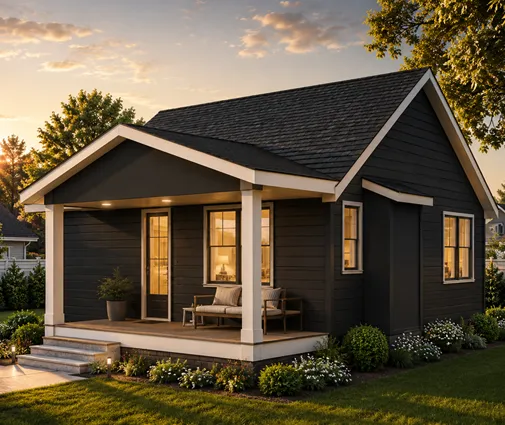
- Compact shape. Fewer corners, jogs and bump-outs mean less exterior wall per square foot and fewer thermal bridges. A simple rectangle like this three-bedroom single-story home with a straightforward footprint is much easier to model and seal than an H-shaped plan.
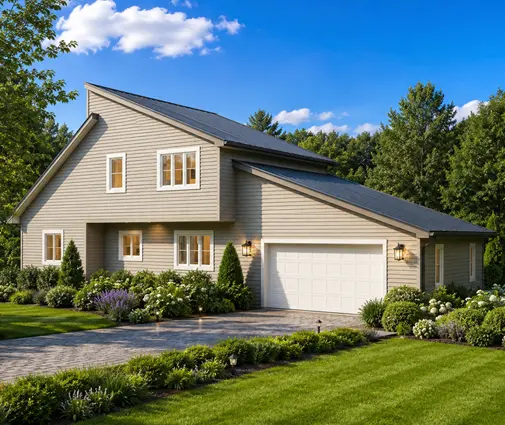
- Stacked stories. A second floor puts more living space under the same roof and over the same foundation. The two-story plan with three bedrooms in just under 1,200 sq ft and the even tighter two-level design at 1,019 sq ft are the kind of shape European programs reward.
- Right size. Smaller conditioned area lowers both the energy demand and the size of the heat pump you need. The 1000–1500 sq ft range covers most family needs without paying to heat unused space.
- Garage outside the envelope. An attached garage needs an airtight, insulated common wall. The compact two-story home with a two-car garage shows how to keep the garage clearly separate from the living space.
- Foundation. In cold northern and Midwest climates, a basement adds conditioned volume that needs insulation. The four-bedroom Craftsman with a full basement works well if the basement walls are insulated from the start.
- Wall depth. A 2x6 wall leaves room for cavity insulation, and adding continuous exterior insulation is often the cheapest path to a better HERS score.


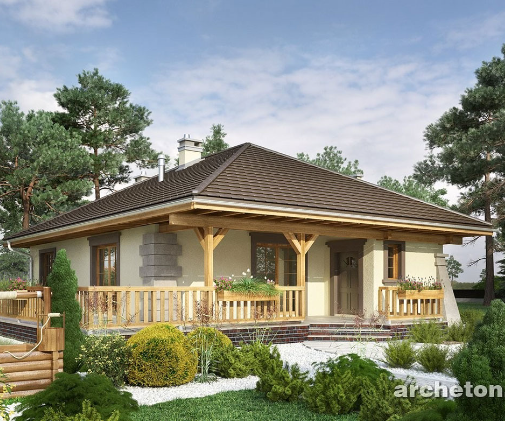
German and Polish thresholds are strict because most homes there are compact and built with masonry. American wood frame can reach the same level for less money when the plan cooperates. If you prefer living on one level, a plain single-story layout such as this three-bedroom ranch of about 1,300 sq ft still performs well if the roofline stays simple and the attic is easy to insulate.
Stage 5: Keep paperwork that survives an appraisal
- Energy rating. Keep the HERS report, the blower-door result and any certificate. In Canada, the energy advisor's report plays the same role. In Germany and Poland, the energy certificate is required for payout.
- Appraiser. Give the appraiser your efficiency documents. Green features are only valued if someone can see them in writing.
- Equipment records. Keep model numbers, AHRI certificates and invoices for the heat pump and water heater. Utility rebates usually require them.
- Builder contract. State the target score and the inspection dates in the contract, so a missed rebate is the builder's problem, not yours.
In Germany, the bank won't release the KfW loan without an energy expert's confirmation, and that habit is worth copying. Even without a lender requiring it, a documented rating helps at refinance or resale and keeps your builder accountable for the details that decide whether you qualify.
The most common mistakes
- Budgeting for federal credits that no longer apply to homes finished in late 2026.
- Enrolling too late, after insulation is covered or, in German terms, after work has started.
- Buying equipment first and only then checking whether the house meets the program's standard.
- Choosing a complex footprint and then paying for extra insulation to make up for it.
- Trusting an old web page. Rules and amounts change every year, so confirm the current terms with your utility, your state energy office or your designer before you sign.