The lowest bid was $58,000 under the other two. The couple had three kids, a one-acre lot outside a growing Southern county seat and a pre-approved construction loan, so that gap looked like a gift. It took them about three weeks of phone calls, county record searches and one jobsite visit to learn why the bid was so low and to choose a different builder. Their path is a typical one. Anyone about to hand a house plan and a loan to a contractor can follow the same steps.
Chapter 1: The lot, the plan and three bids that did not match
They bought the land first. The county had no HOA, but it did have front and side setbacks and a septic permit that the health department had to approve before anything else could move. The soil was clay and the water table was high, so the house would sit on a slab on grade like most homes in the area. Their wish list was familiar: four bedrooms, a mudroom between the garage and the kitchen, an open kitchen and family room, and a covered porch facing the road.
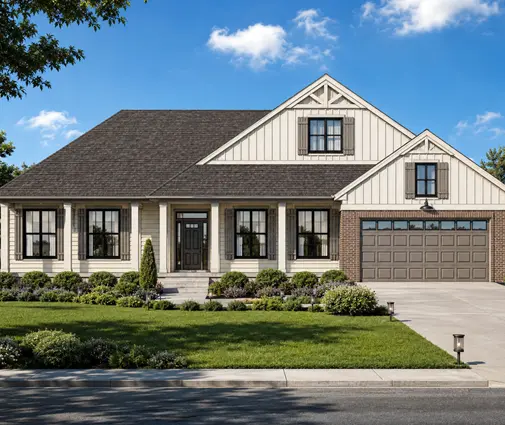
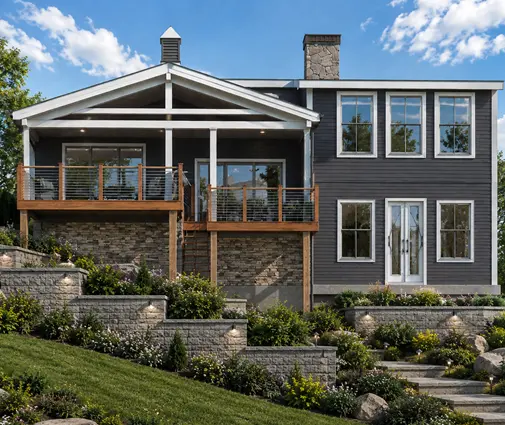
They browsed 4-bedroom house plans and narrowed the list to three. The first was a 2589 sq ft two-story Modern Farmhouse with 4 bedrooms, 3.5 baths and a 2-car garage. The second was a 3198 sq ft Southern farmhouse with 4 bedrooms and a 3-car garage, which they liked for the extra bay for a boat. The third was a 3215 sq ft Acadian design with Low Country lines and a 3-car garage, which fit the older homes along their road.

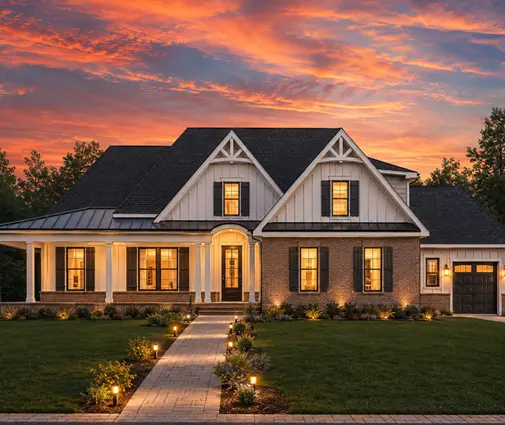
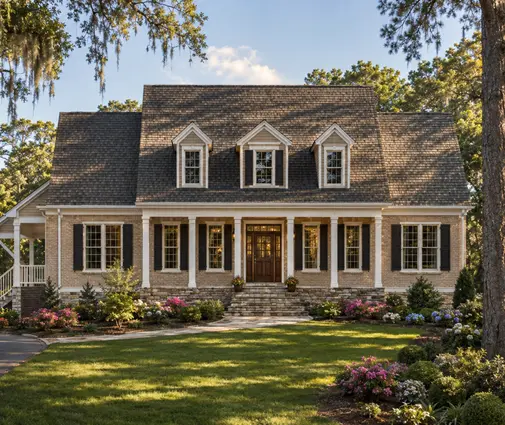
The budget decided it, and they chose the 2589 sq ft farmhouse. A local drafter adapted the plan for the slab, the county's wind-load requirements and the energy code the county had adopted, then stamped what needed stamping. Only then did they send the same permit-ready set to three builders. In 2026, in their part of the South, the bids came in between about $470,000 and $530,000, not counting the lot. That works out to roughly $180 to $205 per square foot. Costs vary a lot by region, and many markets run well above that range. The low bid had small allowances for cabinets, flooring and lighting, and it left out the driveway.
Lesson: Have the plan adapted and ready for permit before you ask for bids, so every builder prices the same house. Compare allowances and exclusions line by line, not only the totals.
Chapter 2: The paper trail of license and insurance
The couple started with the state contractor licensing board's online lookup. Rules differ from state to state. Some states license residential builders statewide and cap the project size by license class. Others leave licensing to the county or city, and some only require registration. They checked four things: that the license was active, that the name on it matched the company named on the bid, that the license class covered a project of their size, and whether there was any disciplinary history.
The low bidder's license was active, but under a different LLC than the one on the proposal. That company had been formed only fourteen months earlier, according to the Secretary of State's business search. When they asked for proof of insurance, the builder sent a certificate showing general liability and an exemption from workers' compensation. The two other builders sent certificates showing both coverages. The couple called each insurance agent listed to confirm the policies were current. They also asked who would carry builder's risk insurance during construction, because their lender required it.
Lesson: Look up the license yourself and make sure the company on the license, the bid and the contract is the same. Get a certificate of insurance, then call the agent to confirm it is current. Ask how workers on site are covered if someone gets hurt.
Chapter 3: The county courthouse search for liens and lawsuits
A mechanic's lien is a claim that an unpaid supplier or subcontractor can file against the property where they worked. It can land on a homeowner who has already paid the builder in full. Most county recorders and clerks of court let anyone search filings online by name. The couple searched both the current and the former company names and the owner's personal name. They also searched the civil court records for lawsuits and judgments.
The results were telling. The low bidder's names turned up several liens from the last two years, filed by a lumber yard and an HVAC contractor, plus a civil suit filed by a homeowner. One lien on its own can come from an honest dispute. A pattern of them usually means the builder is paying old jobs with new deposits. The middle bidder had one released lien from six years earlier, and the builder explained it without being asked. They also read online reviews, but treated them as a starting point rather than proof.
Lesson: Search the county recorder and the court records under every name the builder has used. Liens that were filed and later released are less worrying than several open ones. Plan to collect lien waivers from the builder and the major subcontractors with every draw.
Chapter 4: Past clients and a house still in frames
They asked the two remaining builders for clients from the last two years, including at least one who had moved in within the last six months. They called each one and asked the same questions. Did the final cost land near the contract price? How long did the build run compared with the promise? How were change orders priced and put in writing? How fast did the builder answer warranty calls? Would they hire the same builder again? The answer to that last question told them more than anything else.
Then they asked to walk a house under construction. The middle bidder took them to a framed two-story on a similar slab. The site was clean, the lumber was stacked off the ground and covered, and the window flashing was done neatly. The superintendent was on site and could name every trade coming that month. The third builder could only show finished homes. Nothing was wrong with those homes, but a finished house hides the framing, the plumbing rough-in and the flashing.
Lesson: Call recent clients yourself, not only the ones the builder hand-picks. Walk at least one active jobsite. How a builder treats a house before the drywall goes up shows how they will treat yours.
Chapter 5: The red flags that grow with the house
For a moment the couple looked at going bigger. They considered a 3800 sq ft three-story Modern Craftsman farmhouse with 4 bedrooms and a 3-car garage and a 3539 sq ft Acadian farmhouse with 4 bedrooms and 4.5 baths. Many families browsing farmhouse plans are drawn to homes like these. A larger, more complex house means more trades, a longer schedule and more money moving between draws, so a weak builder fails faster on it. They kept the smaller plan, but they learned what to watch for:

- Subcontractor turnover. Ask which framer, plumber, electrician and HVAC contractor the builder has used for years. A new crew on every job often means subs who were not paid.
- Vague schedules. "About eight months" is not a schedule. A credible builder can show the phases, the inspections and who causes delays.
- Large upfront deposits. Construction loans pay in draws after the lender's inspector checks progress. Be wary of a builder who asks for a large cash deposit beyond what the lender requires. Some states limit deposits, so check your state's rules.
- Cash requests outside the draw schedule. Requests like "the lumber price jumped, I need a check today" are the classic early sign of trouble.
- No written change order process. Every change should have a price and a schedule impact, signed before the work is done.
- Pressure to sign quickly, or refusing to let your attorney or lender review the contract.
Lesson: The bigger the house, the more the builder's cash flow, crew stability and scheduling matter. Tie payments to the lender's inspected draws, not to the builder's requests.
Chapter 6: The interview, the contract and moving day
They brought the same list to both finalists and wrote down the answers:
- What is the exact legal name on your license, and how long has this company existed?
- Who will be my day-to-day contact, and how often will they be on site?
- Which subcontractors will work on my house, and how long have you used them?
- How many homes are you building right now?
- Is this a fixed-price or cost-plus contract, and what exactly is excluded?
- What are the allowances, and are they realistic for this plan?
- How do you price and document change orders?
- What deposit do you need, and what is it used for?
- Will you provide lien waivers from yourself and major subs with each draw?
- Who pulls the permit and schedules inspections?
- Can I see a detailed schedule by phase?
- What happens to the schedule if a sub or a material is late?
- Who carries builder's risk insurance?
- Have you worked with my lender or with construction draws before?
- Have you built this style or size of house before, and can I see one?
- What warranty do you offer, and how are warranty calls handled?
- Do you schedule a walkthrough near the end of the first year?
- May I visit the site anytime, and with whom?
- Have you ever had a lien or lawsuit filed against you, and how was it resolved?
- Can you give me three clients who finished in the last year?
They signed with the middle bidder on a fixed-price contract. It had realistic allowances, a modest deposit and payments tied to the lender's draw inspections. An attorney reviewed it for a few hundred dollars. The build took about ten months, including two weeks of rain before the slab was poured. There were three change orders, each one signed before the work began. After the final inspection and the certificate of occupancy, they walked a punch list with the superintendent and moved in before school started. They marked the eleventh month on the calendar for the warranty walkthrough.
Lesson: A good builder answers these questions calmly and in writing. Have the contract reviewed, keep every lien waiver and change order in one folder, and check your state's current licensing and deposit rules with the licensing board or a local attorney before you sign.