Do basements add value in the USA? It depends on where you build. In Kansas City, most of Kentucky, much of Virginia and upstate New York, buyers expect one, and a new house without it can sit longer on the market and compare poorly with nearby sales. In Jacksonville and Key West, high water tables, flood rules and a long slab tradition make basements rare, expensive and seldom worth it at resale. The value of a basement is set less by its concrete than by what the comparable homes down the street have.
To see how that plays out, follow one typical family: two parents who work remotely, two school-age kids and a dog. Their jobs let them live almost anywhere, so they spent a year weighing lots in five regions before buying a stock plan and building. Their story covers most of the questions people ask about basements and resale.
The Question That Started It: Do Basements Add Value Everywhere in the USA?
The family grew up in a house with a finished lower level: a playroom, a guest bedroom, a laundry and storage for everything else. They assumed any new home would have one. Their first surprise came when they started looking at land in Florida and found that nobody there talked about basements at all.
Their second surprise came from a lender. An appraiser usually reports finished space below grade separately from the above-grade living area, and that space tends to earn less per square foot than the main floors. A finished basement still adds value, but it is judged against the comparable sales in that neighborhood. Where every comparable has one, its absence counts against the house. Where none do, it may barely register.
Lesson: A basement is valued against local comparable sales, not national averages. Before you draw anything, ask a local agent how many recent sales in your target area had basements and whether they were finished.
Kansas City and Kentucky: Where Buyers Expect the Lower Level
Their first serious search was in the Kansas City metro, on both the Missouri and Kansas sides. Frost depth there is roughly 3 feet, so footings already go well below the surface. Digging a few more feet for a full basement costs less than many people assume. The clay soils can be expansive and need good drainage and a careful foundation design, but builders in the region do this every day.
So do basements add value in Kansas City? Nearly every agent they met said yes. In most suburbs a basement is the norm rather than an extra, and a ranch on a slab can be a harder sell. Tornado season adds a practical reason, since a below-grade room is the safest place in a storm. Across eastern Kansas the picture is similar. Farther west, in drier areas with fewer basement comparables, it is worth checking locally.
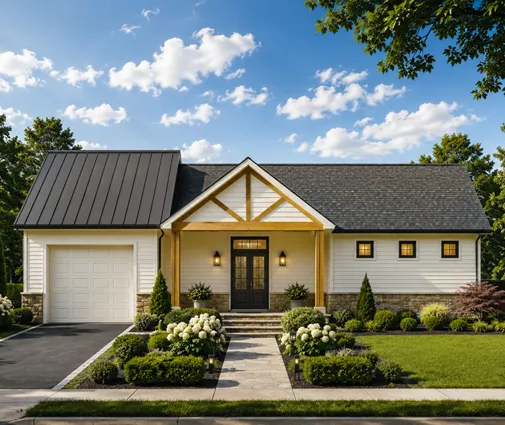
The family liked a one-story ranch with three bedrooms and a three-car garage. It keeps daily life on a single level and leaves the basement for guests and play. Browsing the house plans with a basement foundation showed them how many single-level homes are designed around a full lower level.
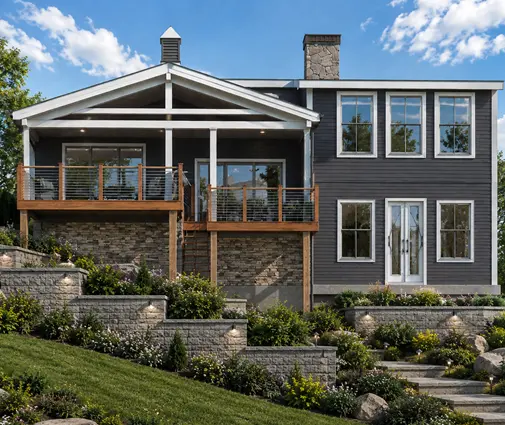
Kentucky told a similar story with a different landscape. Frost depth is shallower, roughly 2 feet in much of the state. Central Kentucky sits on limestone with sinkholes in places, so a soil report matters before you commit to digging. Do basements add value in Kentucky? Around Louisville, Lexington and the Northern Kentucky suburbs, generally yes, and hilly lots make walkout basements natural. A Craftsman cottage with four bedrooms on one floor caught their eye for a sloping lot outside Lexington, where the lower level could open onto the backyard.


Lesson: Where frost already forces deep footings and most comparable homes have basements, the extra cost is relatively small and resale buyers expect one. A sloped lot turns the basement into daylight living space and raises its value further.
Virginia and Upstate New York: Frost Lines, Slopes and Different Regions in One State
Virginia taught them that one state can hold several markets. In Northern Virginia and the suburbs around Richmond and Charlottesville, finished basements are common in comparable sales, and many homes on rolling lots have walkouts. Frost depth there is moderate, roughly 18 to 30 inches depending on the county. Down in Hampton Roads and the Tidewater, the ground is low and wet. Crawlspaces and slabs dominate, and a basement can become a sump pump problem. Do basements add value in Virginia? In the northern and Piedmont suburbs, usually. Near the coast, rarely.
For a lot in Loudoun County they sketched around a Colonial-style family home with five bedrooms and a lower level, the kind of traditional design that fits the comparables there.
Upstate New York was the easiest call of all. Frost depth often runs 3.5 to 4 feet or more around Buffalo, Rochester, Syracuse and Albany. Once you excavate that far for footings, a full basement is a modest step further. It also houses the furnace, water heater and utilities that need protection from the cold. Do basements add value in upstate NY? Almost always. A house without one stands out, and not in a good way. They liked a compact modern farmhouse that stacks four bedrooms over a basement for a narrow village lot near Saratoga Springs.
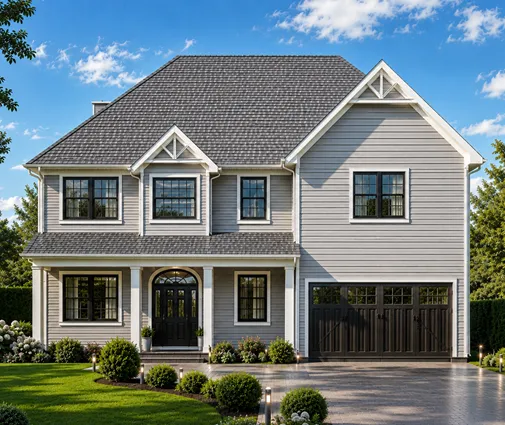
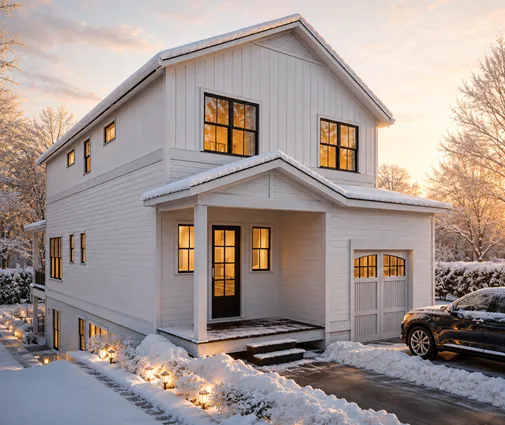
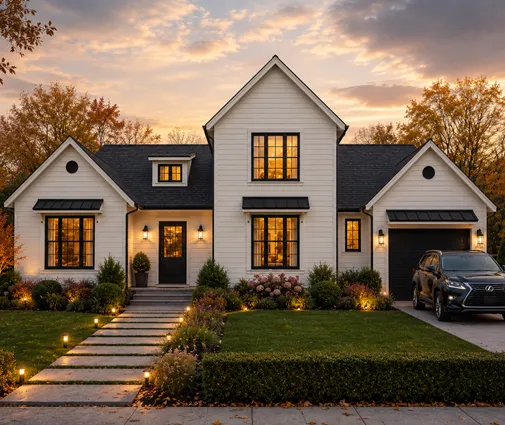
Lesson: Deep frost lines cut the extra cost of a basement and raise buyer expectations at the same time. Inside a single state, coastal lowlands and inland hills can give opposite answers, so judge by county and neighborhood, not by the state line.
Jacksonville and Key West: When the Water Decides
Florida reversed every assumption. In Jacksonville the soil is mostly sand, and the water table can sit only a few feet below the surface. Frost is almost a non-issue, so shallow footings on a slab are standard. Do basements add value in Jacksonville, Florida? Rarely. Buyers there are not looking for one, the comparables don't have them, and the waterproofing, dewatering and drainage a basement needs can cost far more than it returns. The family looked at a Low Country house with deep porches and four bedrooms. A local engineer told them that in Jacksonville it would be adapted to a slab or a raised foundation, with the extra space placed on a second floor instead.
Key West was even clearer. Much of the island sits only a few feet above sea level and lies in mapped flood zones. Under flood rules, new homes there are usually elevated on piers or pilings, and space below grade is generally not allowed in high-risk flood areas. Do basements add value in Key West? In practice, the question does not come up. Value comes from elevation, wind resistance and outdoor living. The area under an elevated house is typically limited to parking, storage or access, depending on the flood zone.
Lesson: In flood zones and high-water-table areas, a basement is a liability rather than an asset. Check the flood map and local rules first. Elevation and wind design matter far more there than below-grade square footage.
The Decision, the Build and Moving In
In the end, family ties and school districts settled it: they bought a gently sloping lot in a Johnson County subdivision on the Kansas side of the metro. The HOA had no rule about basements, but every home on the street had one. Their agent showed them recent sales in which homes with finished walkouts consistently sold faster.
They kept the ranch they had liked, and a local engineer adapted the plan to their soil report and the county's code amendments. The builder's 2025 bid priced the unfinished walkout basement at roughly $35,000 to $50,000 over a slab version. That is a common range in the region, but bids vary widely with lot, soil and finish level. Finishing the lower level later typically costs about $30 to $70 per square foot. To keep the mortgage comfortable, they finished only a bedroom, a bathroom and a family room at first. The rest was framed, plumbed and left for later.
Some other choices saved them trouble later: interior and exterior drainage, a sump pit even on a dry lot, egress windows in every room meant for sleeping, and a higher basement ceiling, which the builder priced before the foundation was poured. If you build on a slope, the plans designed for sloped lots show how a walkout lower level is laid out from the start. If you want something smaller, a contemporary 1,906-square-foot single-story plan uses the same idea on a tighter budget.
They moved in the following autumn. The kids took over the lower level within a week, and the first tornado warning showed everyone why the stairs lead down.
Lesson: Decide the basement before the plan is final. Its height, egress, drainage and stair location are cheap to get right on paper and expensive to fix after the pour. Finishing in stages keeps the budget manageable without giving up resale value.
If your lot is in a region where buyers expect a lower level, start with house plans built with a basement and have a local engineer or drafter confirm the foundation for your soil, frost depth and county code. If you build on the coast or in a flood zone, ask them about a slab or raised foundation instead.